


Fremont bookworms and literary lovers can rest easy: bothersome bugs in books are very rare and not harmful to people.
Featured Top Story
Library director says bugs in books a 'non-issue'
Use of homeless shelter ‘bug oven’ on books very rare
1 of 2
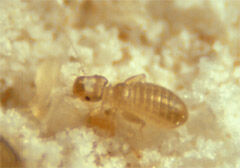
Booklice is from the order of insects called Psocoptera, and is also known as dustlice or deathwatches, according to the Texas A&M University entomology extension office. Booklice have no relation nor connection to human lice variations.
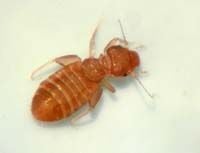
Officials at Texas A&M wrote in a report that booklice, “are not external parasites and do not bite man or other animals. The name, ‘booklouse’ comes from some species’ association with books, especially in the days before air conditioning, when natural humidity in homes and libraries allowed more frequent growth of mildew on book bindings and pages.”

Editor’s note: This story contains some graphic wording about sexual information.

Officials from the Fremont Public Schools (FPS) school district said none of the 11 controversial sexual education and LGBTQ-themed books unde…
Editor’s note: There is graphic sexual content and language in this article.
EDITOR’s NOTE: This article describes graphic sex acts and genitalia.
Editor’s note: This story contains some graphic wording about sexual information.

Take a look at the meetings and events taking place in the area, including a Fun Pianos Show, storytime, and live music at Fremont Eagles Club.

Nebraska State Sen. Lynne Walz, D-District 15, has introduced legislation to improve and reform firefighter retirement benefits so smaller cit…

Nebraska Library Commission Library Development Director Christa Porter recently announced the accreditation of 29 public libraries across Nebraska.

The deaths of an estimated more than 2,000 chickens at Lincoln Premium Poultry in Fremont during the brutally cold winter blast from Dec. 22-2…

Fremont residents in favor of having certain sexual education or LGBTQ-themed books removed from the Keene Memorial Library seem to have an al…

Linda McClain has resigned from her role as chairperson of the Keene Memorial Library Advisory Board.


